


More
If you notice water droplets forming on your windows during colder months, your windows may be telling you something. While condensation can be caused by indoor humidity, older windows are often a major reason the problem becomes more noticeable.
As windows age, their insulating performance can fall behind modern standards. Older materials, outdated glass systems, and worn seals can all contribute to colder glass surfaces inside your home. When warm indoor air meets that cold glass, moisture forms.
What Causes Condensation on Older Windows?
Condensation happens when moisture in the air contacts a surface that is cold enough for water vapor to turn into liquid.
Older windows are more likely to create that condition because many were built with less advanced technology than what is available today.
Common reasons include:
Single Pane or Early Double Pane Glass
Many older homes still have single pane windows or early double pane units with lower insulating value. These allow more heat to escape, causing the inside glass surface to become colder in winter.
Worn Seals and Air Leakage
Over time, weatherstripping, seals, and moving parts can wear down. Small air leaks may let cold outside air affect the window area, making condensation more likely.
Less Efficient Frames
Older frame materials may transfer outdoor temperatures more easily than newer insulated systems. This can create colder surfaces around the glass and frame edges.
Older Spacer Technology
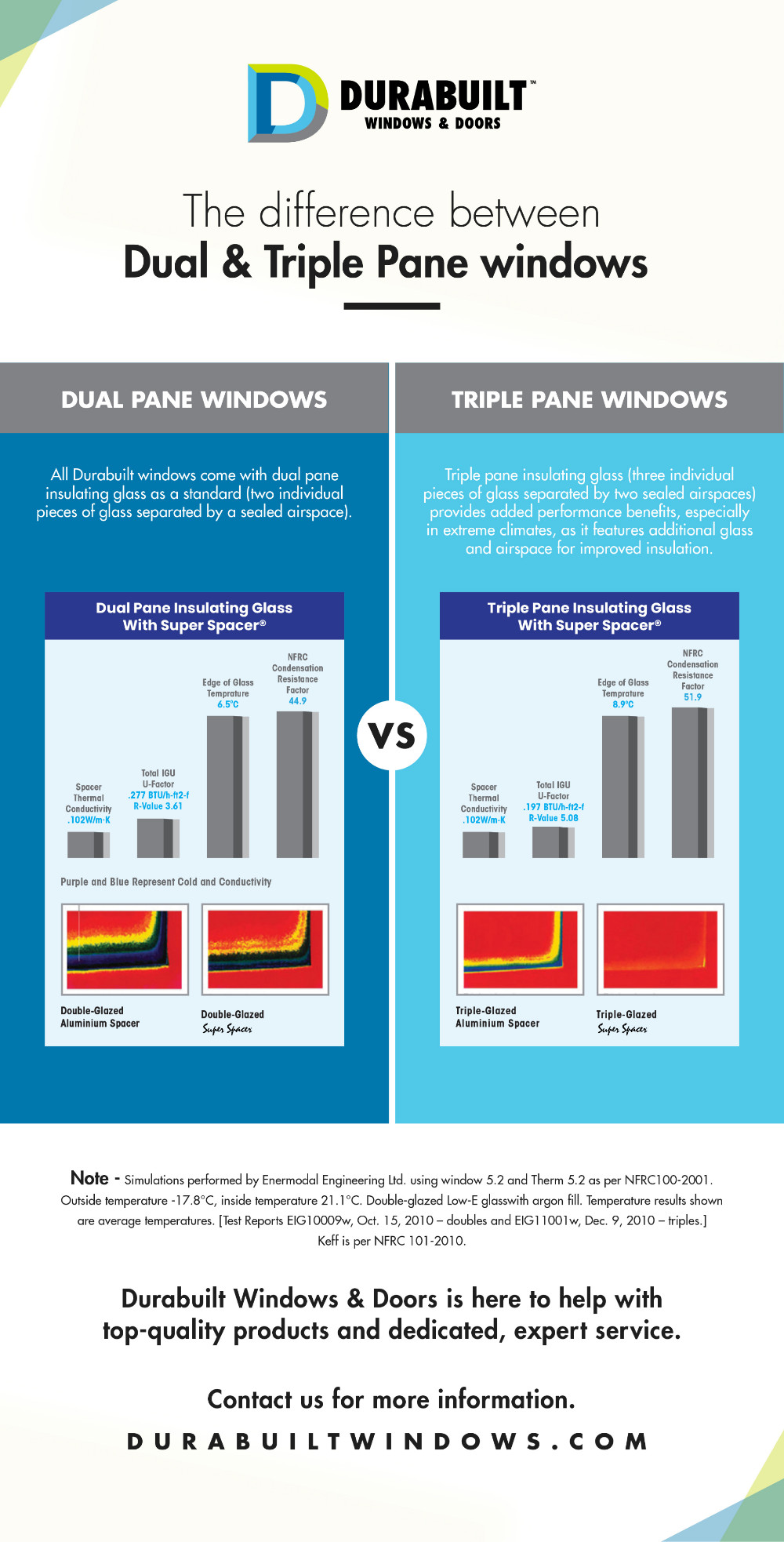
Older sealed glass units often used metal spacers that conduct cold temperatures more easily. Modern warm-edge spacer systems help reduce this effect.
Why Condensation Matters
Occasional condensation is common, but repeated moisture can create issues over time such as:
- Water damage to trim or sills
- Peeling paint
- Mold or mildew growth
- Reduced visibility
- Discomfort near windows
If moisture appears often, it may be worth evaluating both humidity levels and window performance.
How Modern Windows Help
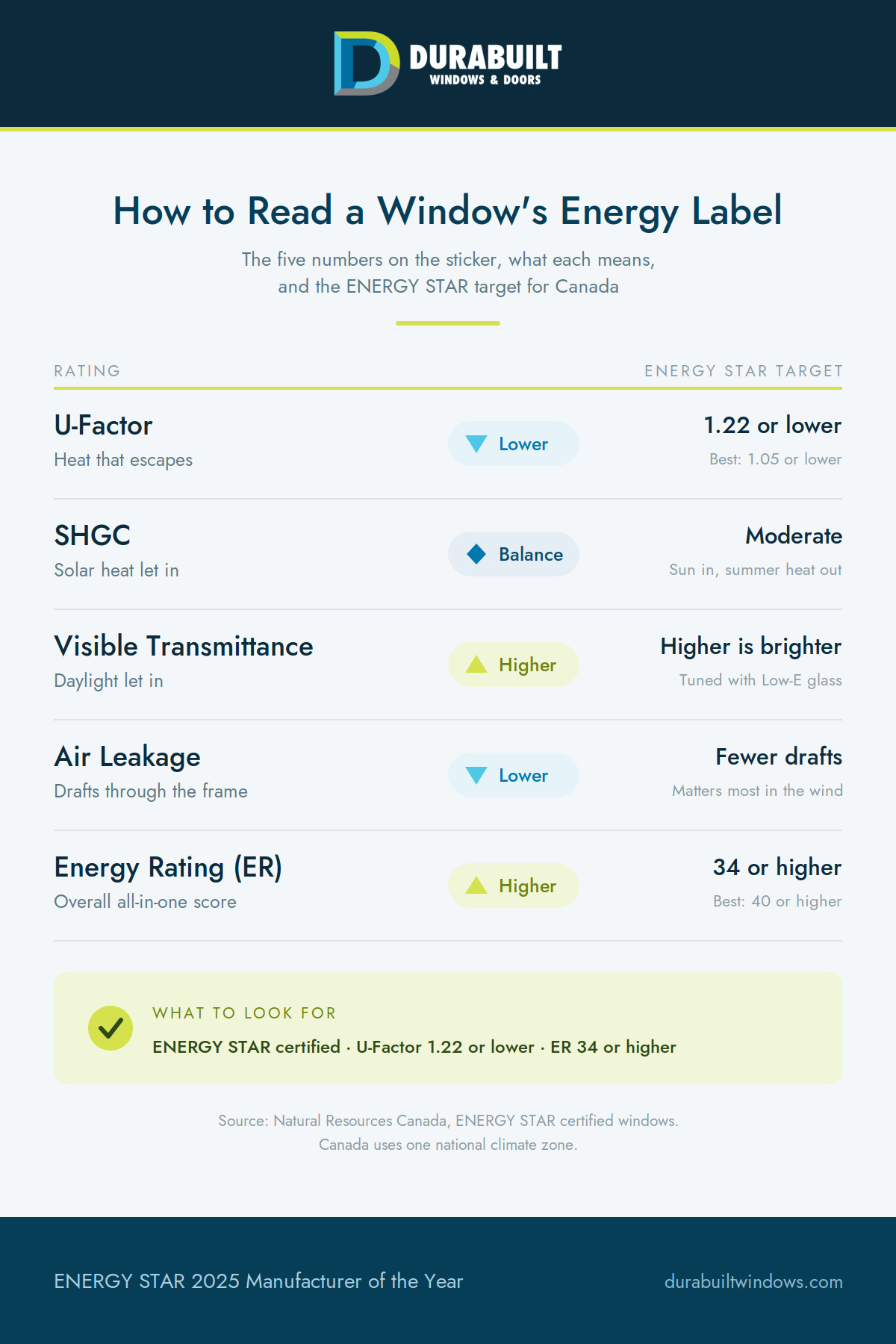
Today’s ENERGY STAR® certified windows are designed to provide stronger thermal performance than many older products.
Depending on the product selected, benefits may include:
- Double or triple pane glass
- Low-E coatings
- Argon or other gas fills
- Better sealing systems
- Insulated frames
- Warm-edge spacer technology
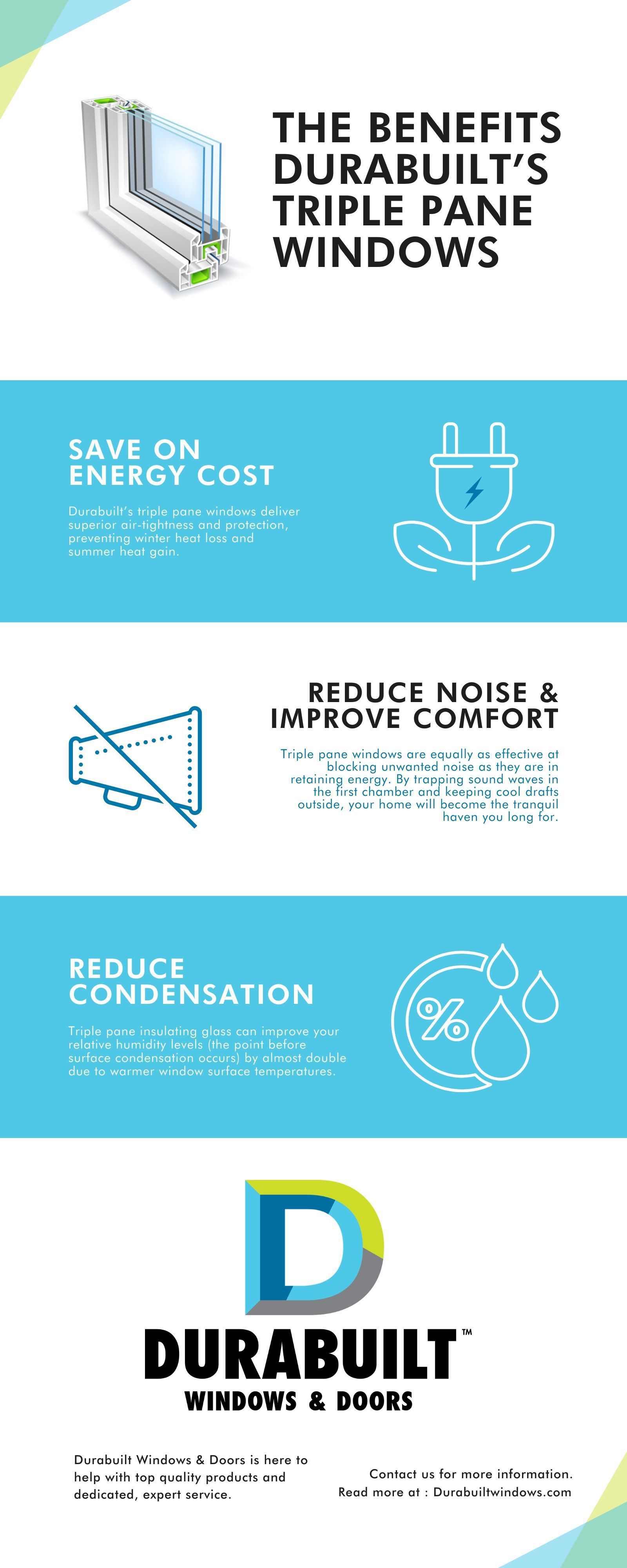
These features help keep the interior glass surface warmer, which can reduce the chance of condensation during winter.
Is It Time to Replace Older Windows?
You may want to consider replacement if you notice:
- Condensation daily during winter
- Drafts near windows
- Fog between panes
- Difficulty opening or closing units
- Cold rooms near window areas
- Rising heating bills
Older windows often cause more condensation because they allow interior glass surfaces to become colder during winter. While managing humidity is still important, upgrading outdated windows can improve comfort, energy efficiency, and help reduce moisture problems. For homeowners in colder climates, efficient modern windows can make a noticeable difference throughout the heating season.
Blog
Related Topics


.jpg)
.jpg)
.jpg)
.png)

.jpg)
.jpg)
.jpg)










Over 100 locations to serve you
We can't wait to get your project started! Discover a design gallery or dealer near you.
© 2025 Durabuilt


© 2025 Durabuilt