


More
How to Read a Window's Energy Label: U-Factor, SHGC, and ENERGY STAR Explained
There's a small sticker on every new window that most people peel off without a second look. In a Western Canadian winter, that sticker is one of the most useful things you'll read all year — because it's the difference between a window that keeps −35°C where it belongs and one that quietly leaks heat and money for the next 25 years.
The problem is that the label is written for engineers, not homeowners. Below, we translate it into plain English, and show you what "good" actually looks like for a home in any of our major Durabuilt markets including Edmonton, Calgary, BC, Manitoba, and Saskachewan.
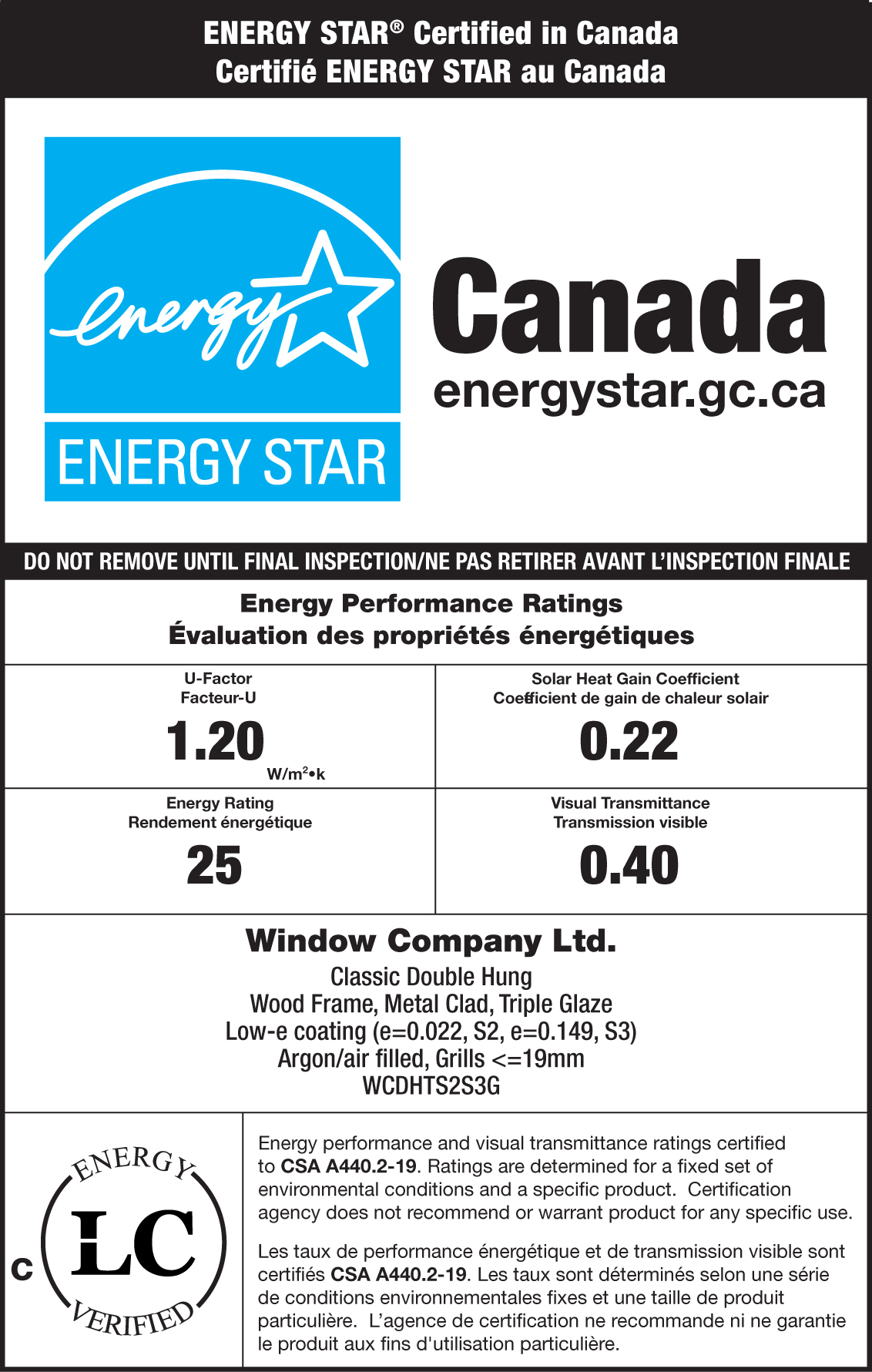
What you're actually looking at on an Energy Star sticker:
Windows sold in Canada carry two things worth reading. The first is an NFRC label — a set of independently tested performance numbers. The second is the Canadian ENERGY STAR mark, which includes an Energy Rating (ER). Canada uses the CSA A440.2 standard to measure window performance, and Natural Resources Canada (NRCan) administers the ENERGY STAR program here.
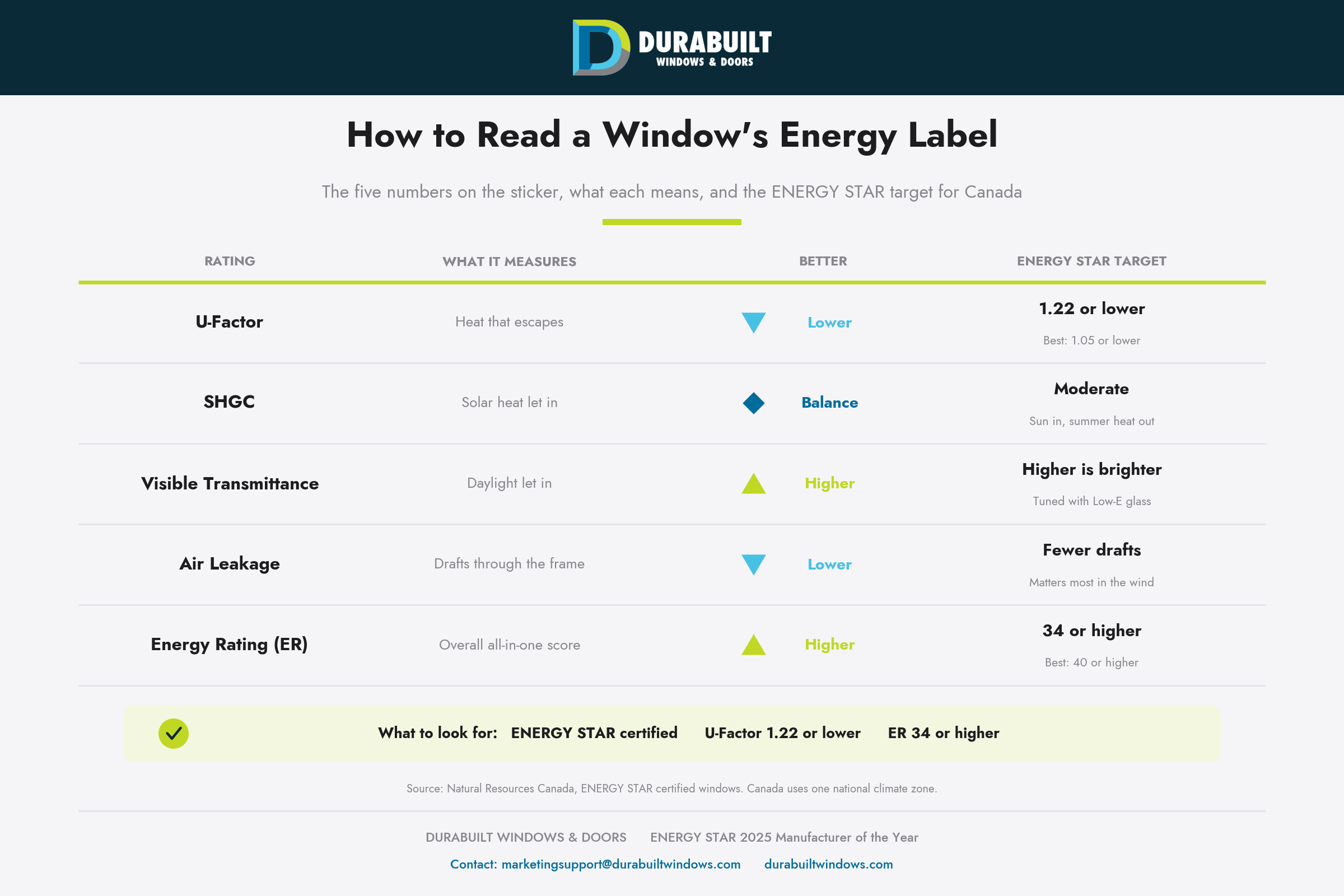
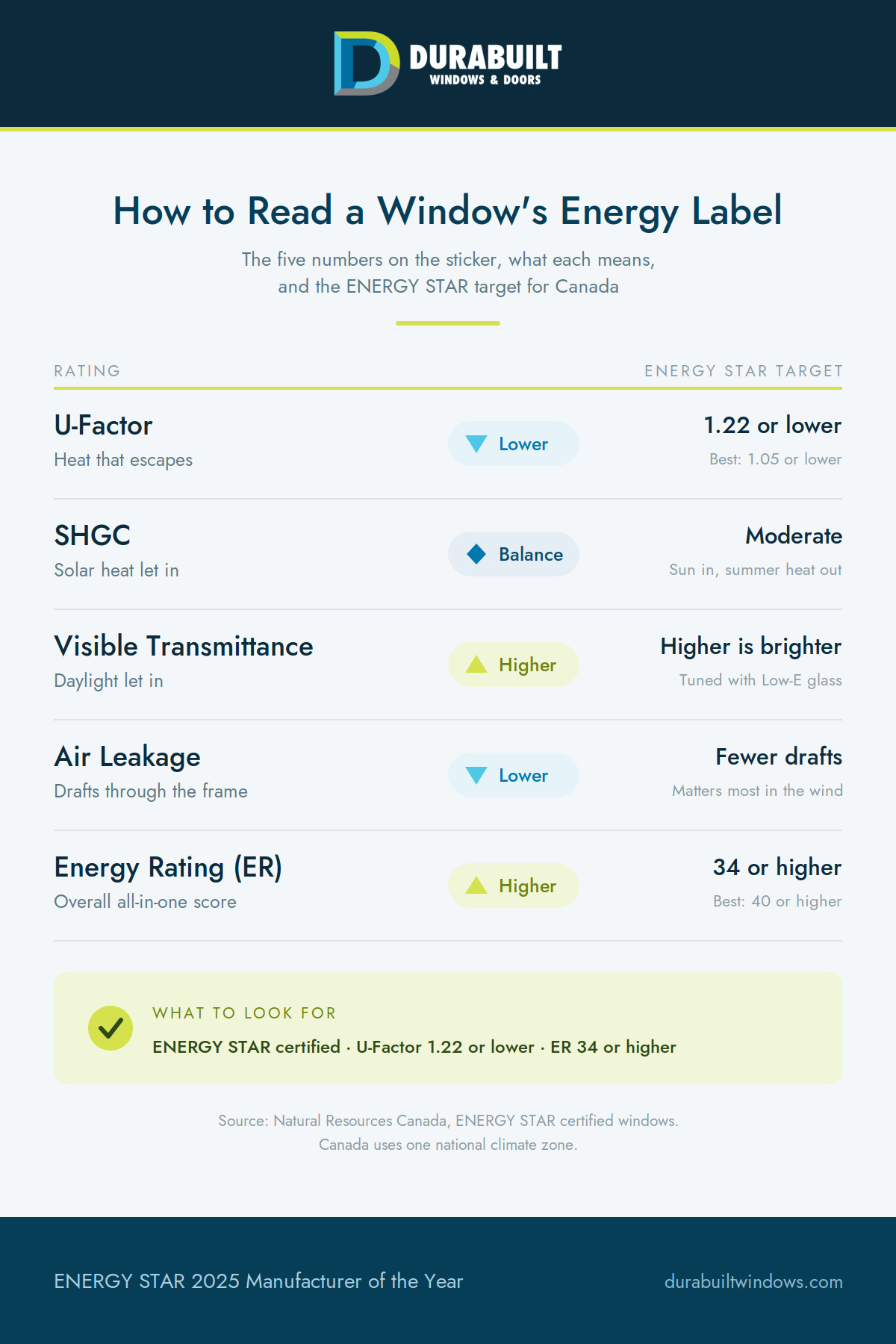
There are five numbers that matter.
U-Factor in Windows Explained: how much heat escapes (lower is better)
U-Factor measures how quickly heat flows out through the window. It's the single most important number in a cold climate, because in our Canadian winter your furnace is fighting heat loss for six or seven months a year.
The counterintuitive part: a lower U-Factor is better. A low number means the window holds heat in. In Canada, U-Factor is shown in metric (W/m²·K) alongside the older imperial units (Btu/h·ft²·°F), and the metric figure is the one to anchor on.
As a rule of thumb, a strong cold-climate window sits at or below 1.22 W/m²·K, and the very best perform at 1.05 W/m²·K or lower. (More on why those two thresholds matter in a moment.)
SHGC in Windows: how much free heat the sun brings in
The Solar Heat Gain Coefficient (SHGC) is a number between 0 and 1 that describes how much of the sun's heat passes through the glass. A high SHGC lets more solar warmth in; a low SHGC blocks it.
For most of Western Canada, this is a balancing act rather than a race to the lowest number. A moderate SHGC lets you capture free winter sun on south-facing windows — genuinely useful heat when it's dark by five o'clock — without turning a west-facing room into a greenhouse in July. If you have a wall of glass facing direct summer sun, a lower SHGC on those specific openings makes sense.
Visible Transmittance (VT): how much daylight comes through
VT, also between 0 and 1, measures how much visible light the window lets in. A higher number means a brighter room. It's easy to confuse with SHGC, but they're different: VT is about light you can see, SHGC is about heat you can feel. Modern coatings let manufacturers keep rooms bright (high VT) while controlling heat — you don't have to trade one for the other.
Air Leakage: how drafty it is (lower is better)
Air Leakage measures how much air sneaks through the window assembly. Like U-Factor, lower is better. This is the number that governs whether you feel a cold draft near the window on a windy day — a real consideration in southern Alberta, where the wind rarely takes a day off.
Energy Rating (ER): Canada's all-in-one score (higher is better)
Here's the number that's unique to Canada. The Energy Rating (ER) rolls U-Factor, solar heat gain, and air leakage into a single score. Unlike U-Factor, a higher ER is better — it reflects the window's overall balance of holding heat in, letting useful sun in, and keeping drafts out.
The ER is convenient precisely because it does the math for you. If comparing four separate numbers across three quotes feels overwhelming, the ER is a reasonable shorthand for overall performance.
What ENERGY STAR actually requires in Canada
This is where a lot of online advice gets it wrong, because Canada's ENERGY STAR rules are not the same as the United States'. Since 2020, Canada uses a single national zone rather than the four climate zones you'll see on American websites. So if you read that a "Northern zone" window needs a U-Factor of 0.22, that's a U.S. figure — ignore it.
In Canada, to earn the ENERGY STAR label, a window must meet a maximum U-Factor of 1.22 W/m²·K or a minimum ER of 34, according to NRCan's certified product list. To earn the tougher ENERGY STAR Most Efficient designation, it must hit a U-Factor of 1.05 W/m²·K or lower, or an ER of 40 or higher, per NRCan's Most Efficient criteria.
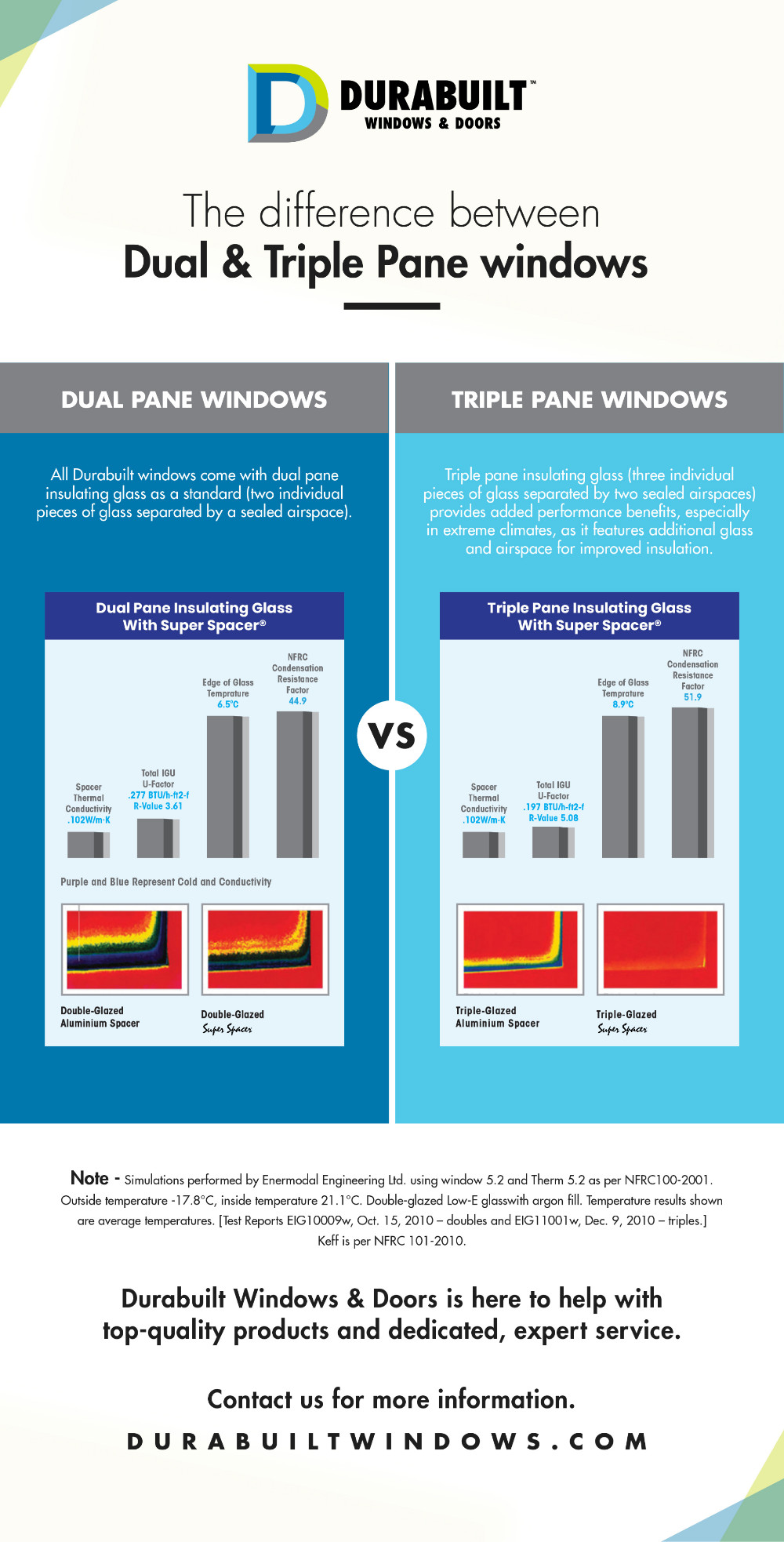
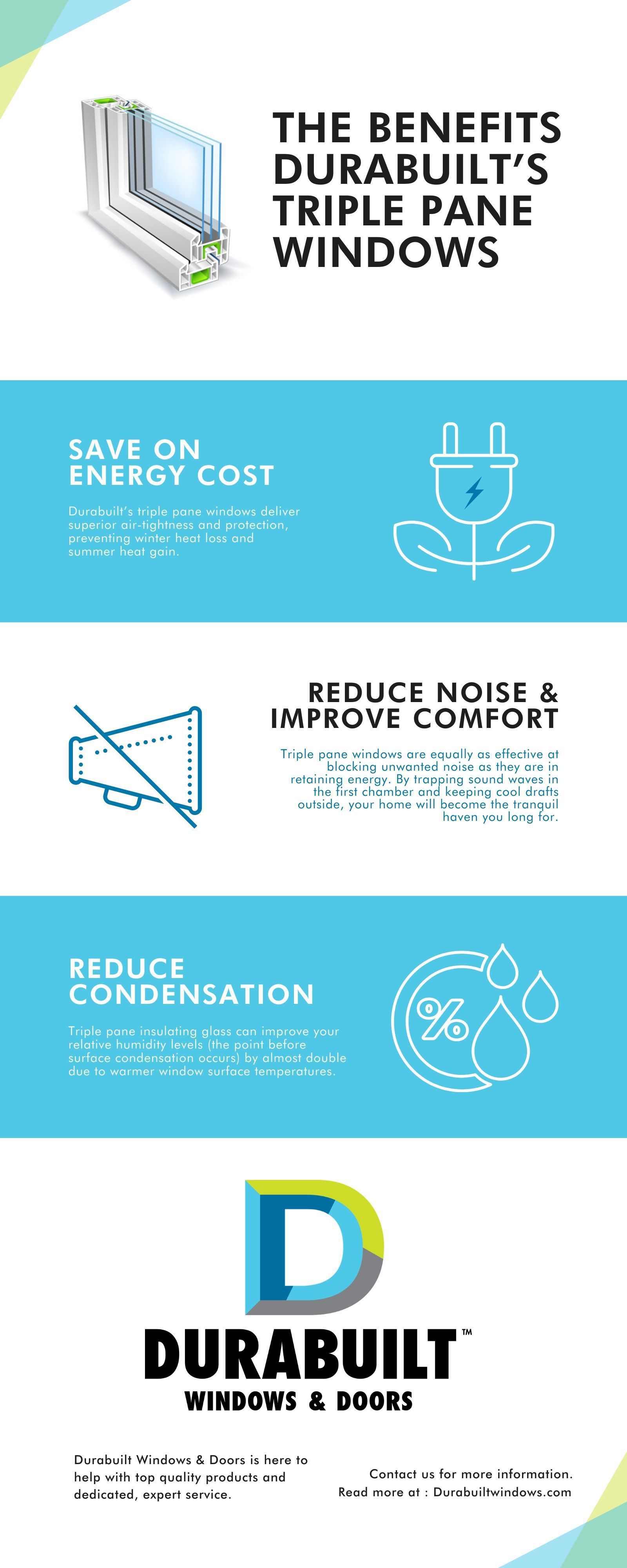
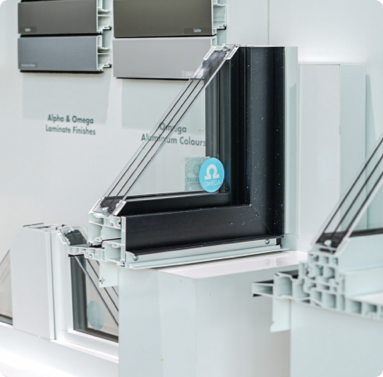
In practice, hitting these numbers in a cold climate almost always means triple-pane glass with a low-E coating and argon gas fill. That's why triple-pane has become the default for serious Prairie and B.C. window projects rather than a luxury upgrade.
Canada's ENERGY STAR program is truly one-of-a-kind in it's standard, that's why we're honoured to be recognized as their Canadian Manufacturer of the Year in 2025.
One trap to avoid: whole-window vs. centre-of-glass
When you're comparing numbers, make sure you're comparing whole-window ratings, not centre-of-glass ratings. Centre-of-glass numbers only describe the best-performing part of the window and ignore the frame, spacers, and edges — which is exactly where cold gets in. The whole-window rating reflects what you'll actually live with. A quote that quietly uses centre-of-glass figures can look better on paper than the window really is.
What "good" looks like on paper for a Western Canadian home
Putting it together, a window well-suited for a cycle of Canadian seasons year after year will typically show:
- A whole-window U-Factor at or below 1.22 W/m²·K — and closer to 1.05 if you want top-tier performance.
- An ER of 34 or higher (40+ for the best).
- A moderate SHGC you can tune by orientation to capture winter sun without summer overheating.
- A low air leakage rating for draft-free comfort in the wind.
- The ENERGY STAR mark and an NRCan reference number (formatted like NR####-######-ES#) — proof the rating is independently verified, and often required to claim rebates.
The bottom line
You don't need an engineering degree to buy a good window — you need to know which five numbers to read and which direction is "better." Lower U-Factor and air leakage, higher ER, and an SHGC matched to how each window faces the sun.
At Durabuilt, every window is engineered and tested for the climate it actually has to survive — Western Canada's, not a milder average. If you'd like help reading the ratings on a quote you've received, or want to see how our ENERGY STAR–certified windows perform on paper, our team is happy to walk you through it.
Sources
- Natural Resources Canada — ENERGY STAR certified windows product list and criteria
- Natural Resources Canada — ENERGY STAR Most Efficient criteria for windows and sliding glass doors
- Natural Resources Canada — 2025 labelling requirements for ENERGY STAR fenestration
Blog
Related Topics





.jpg)
.jpg)
.jpg)
.png)

.jpg)
.jpg)
.jpg)










Over 100 locations to serve you
We can't wait to get your project started! Discover a design gallery or dealer near you.
© 2025 Durabuilt


© 2025 Durabuilt